
Most diners search before they pick a place. If your restaurant isn’t showing up, they’re walking into your competitor instead.
Nail your Google Business Profile, collect reviews consistently, and build quality backlinks every month. That’s the playbook.
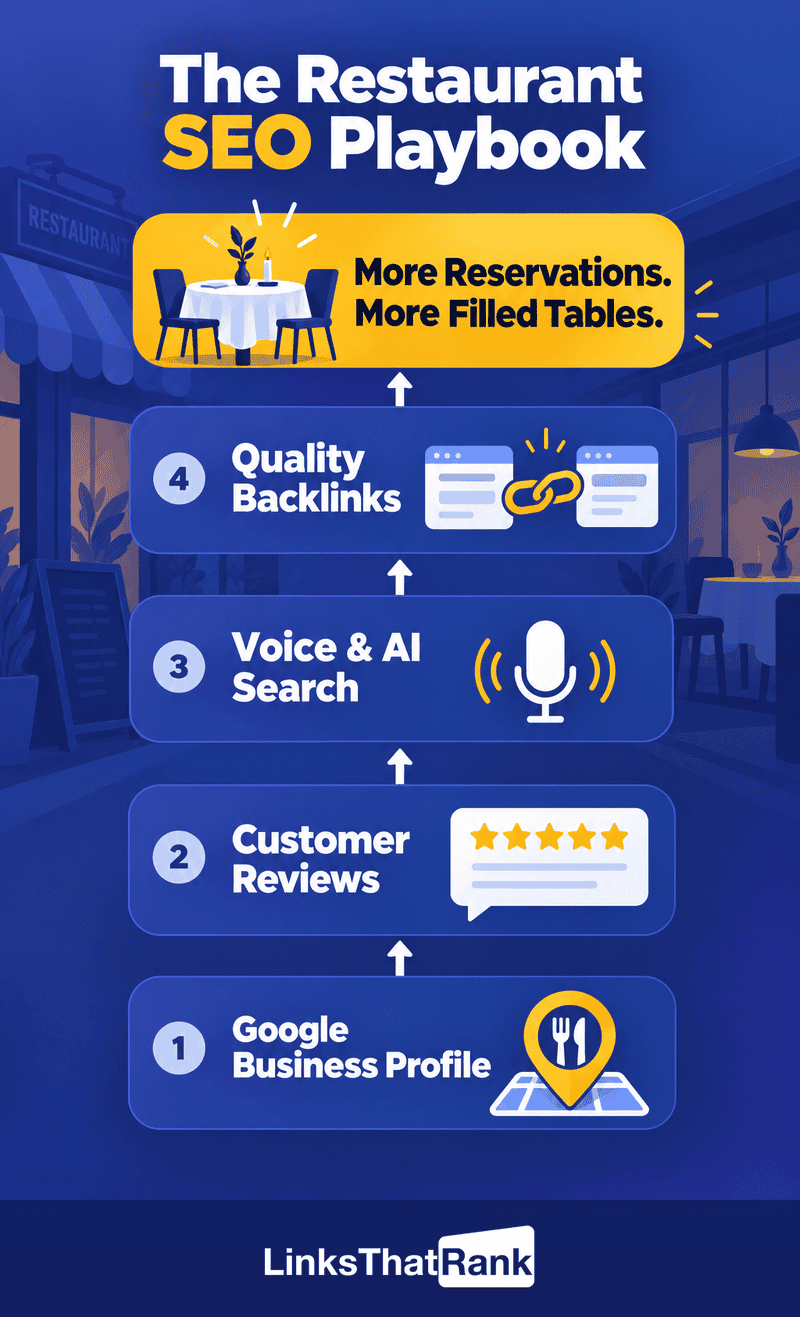
Restaurant SEO increases your online visibility to drive foot traffic and direct orders straight to your restaurant.
A good restaurant SEO strategy gets more customers through your front door while decreasing your dependency on third-party apps like DoorDash, Uber Eats, and Grubhub.
Here’s the thing…
Your restaurant might serve the best food in the city.
But if people can’t find you on Google and you’re not recommended in AI search tools, it doesn’t matter.
94% of diners research restaurants online before deciding where to eat.
That means almost every customer who walks through your door started with a search. And if your restaurant isn’t showing up, they’re heading next door to your competitor instead.
But here’s the good news:
Your competitors don’t outrank you because they have a better dining experience. They outrank you because their SEO is better.
And SEO can be fixed.
In this guide, I’m going to show you how to rank higher on Google, get recommended in AI search tools, and turn online searches into paying customers.
This is the only restaurant SEO strategy you need to get more reservations and fill your tables.

Why Restaurant SEO Matters in Today
Restaurant SEO matters because it increases visibility online, drives reservations and turns searches into real customers.
Over 94% of diners research restaurants online before they decide where to eat.
Let that sink in for a second. The vast majority of people search before they decide to visit a restaurant.
But that’s not all…
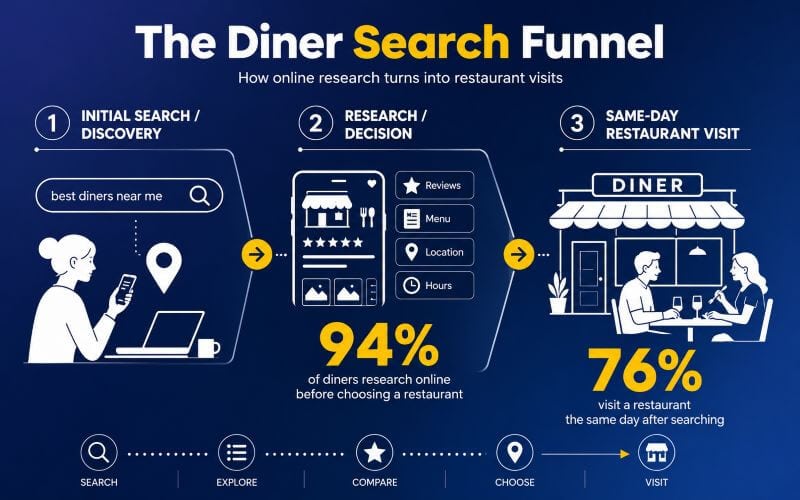
76% of people who search for a local restaurant on their phone visit within 24 hours.
People who search also take action. 3 out of 4 people who search for your restaurant will visit in the next 24 hours.
The restaurants that are winning today aren’t winning by accident. They’re winning because they’ve positioned their businesses to take advantage of online search traffic.
And with the rise of AI search tools like ChatGPT, Perplexity and Gemini, there has never been a better time to get ahead.

Local SEO Strategies That Increase Reservations
The first step is to focus on local SEO.
Think of this like laying down the foundations for your online presence. Implement each of these steps.
1. Optimise Your Google Business Profile
Your Google Business Profile is the single most important asset for restaurant SEO.
When someone searches “vegan restaurants near me” or “best Italian restaurant in [city]”, Google shows a local map pack at the top of the search results.
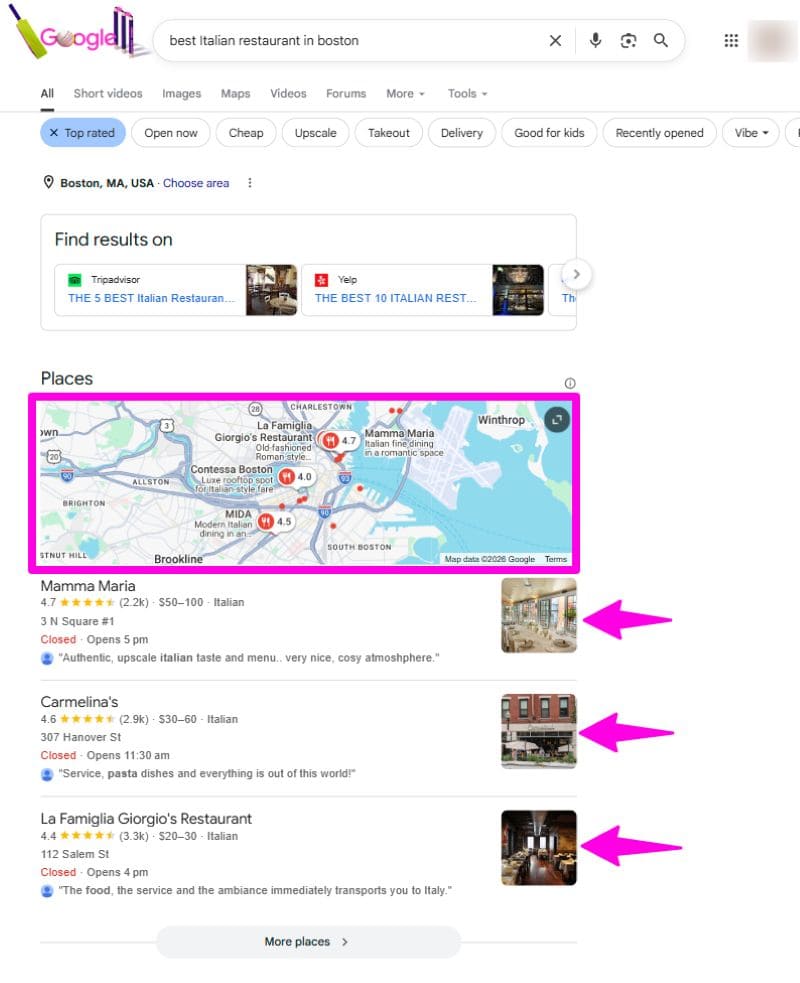
Being featured in that pack is extremely important.
Why?
The local map pack gets 42% of all clicks.
That’s almost half of all the traffic going to just three listings.
If your restaurant isn’t in those three spots, you’re invisible to almost half of the people searching right now.
But that’s not all…
AI search tools like ChatGPT and Perplexity also pull information directly from Google search.
Look at the same search in Perplexity:
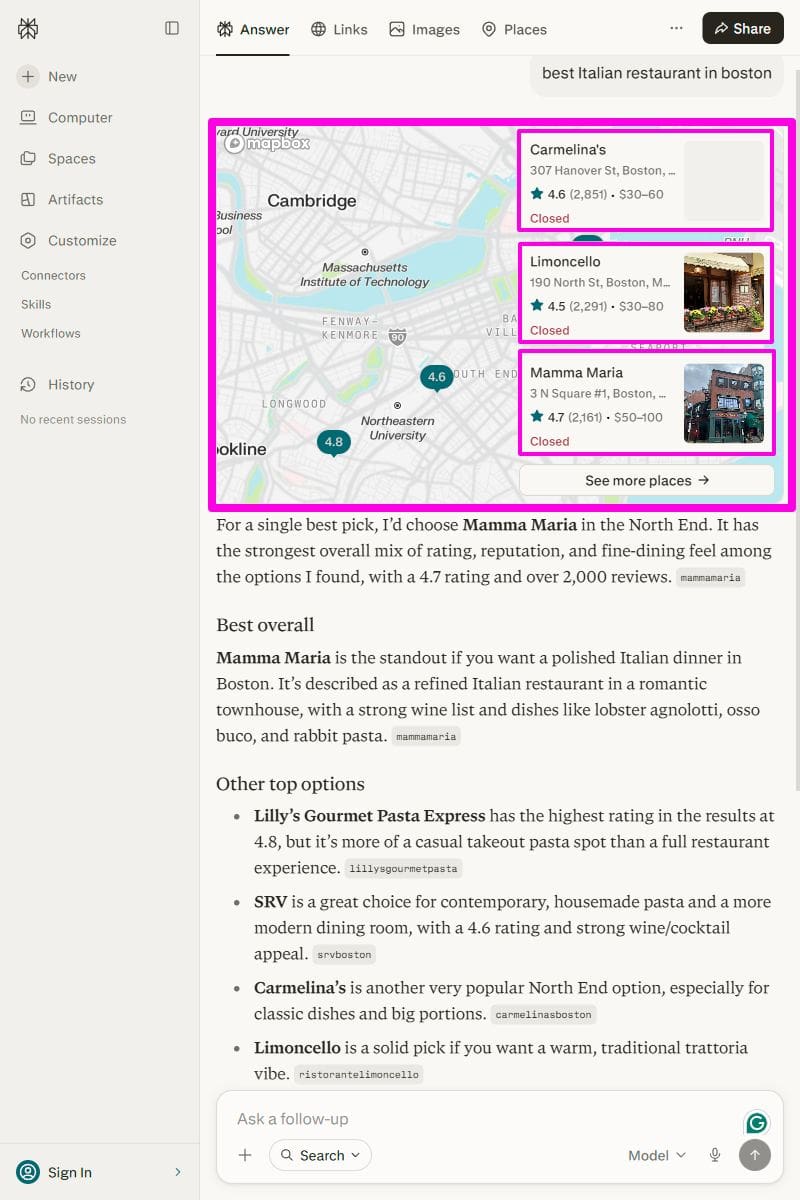
Crazy, right?
Optimising your Google Business Profile correctly is one of the best things you can do right now to improve your restaurant SEO.
Just follow this process.
Claim And Verify Your Google Business Profile
Search for your restaurant on Google and click the “Own this business?” link.
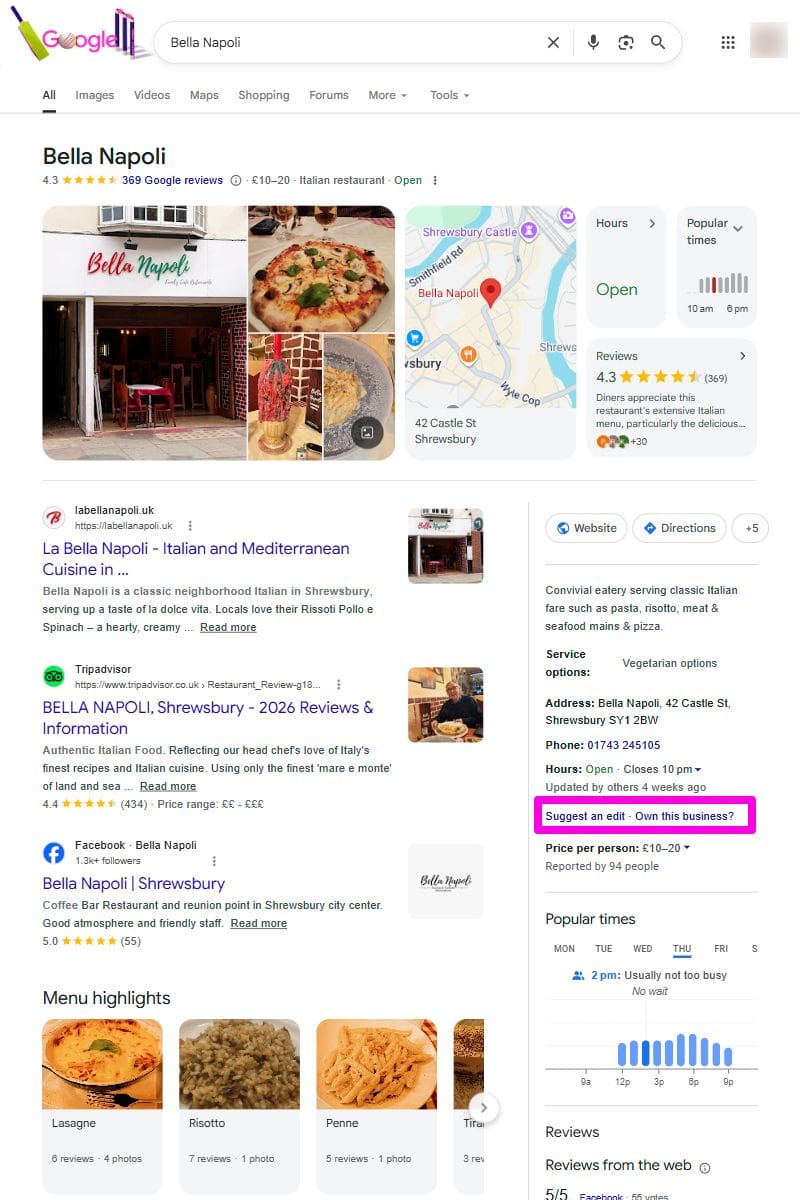
Follow the process to claim and verify your Google Business Profile.
You can verify through:
- Phone
- Postcard
The entire process should take you less than two minutes to do. Done that?
Now it’s time to optimise.
Complete Every Single Field
This is where most restaurant owners fall short.
They claim their profile, add a few details and hope for the best.
Here’s why that’s a massive mistake:
The more information Google has about your restaurant, the higher you will rank. Simple as that. That’s why you have to fill out every field that Google gives.
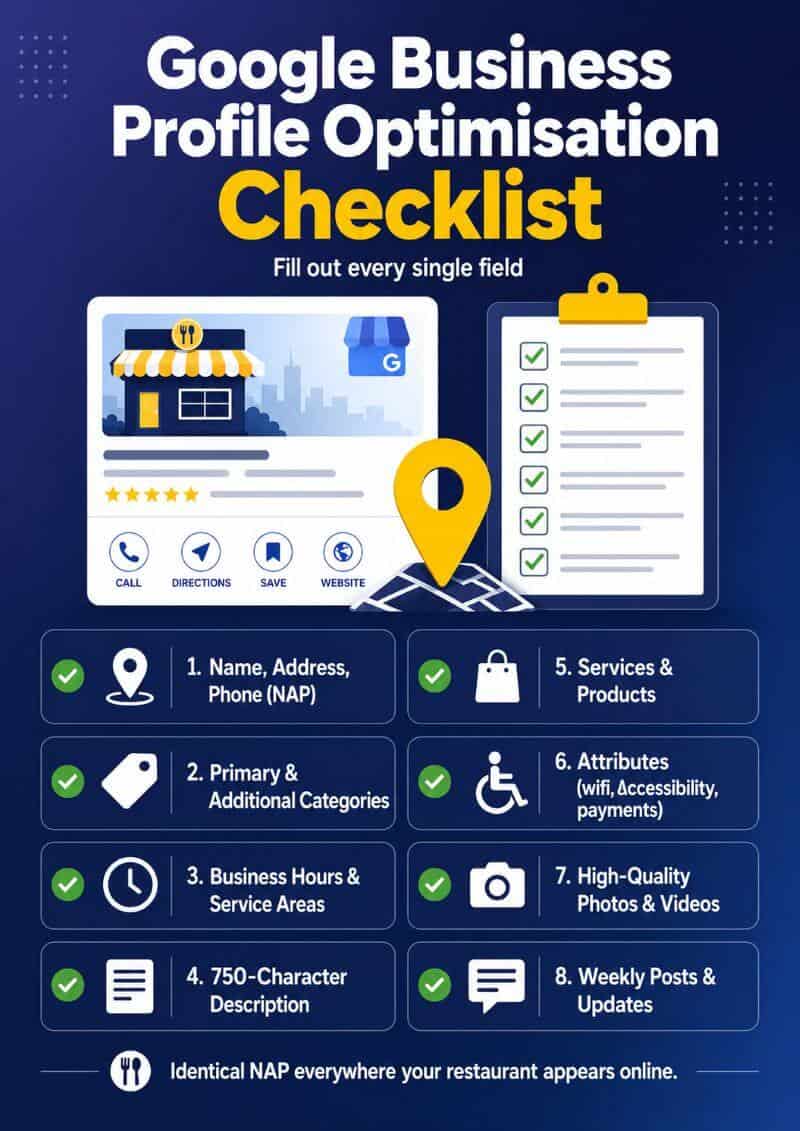
Here’s your full optimisation checklist for your Google Business Profile:
- Essential information – Name, address, phone, category, additional categories, service areas, business hours, and website URL
- Business description – 750 character description of what you do, who you serve and unique selling points (add relevant keywords naturally to your description).
- Services/Products – Services/product categories, individual services/products, descriptions and pricing (optional).
- Attributes – Think things like women-owned, veteran-owned, wheelchair accessible, online appointments, delivery/pickup, wifi, restrooms, payment types and more.
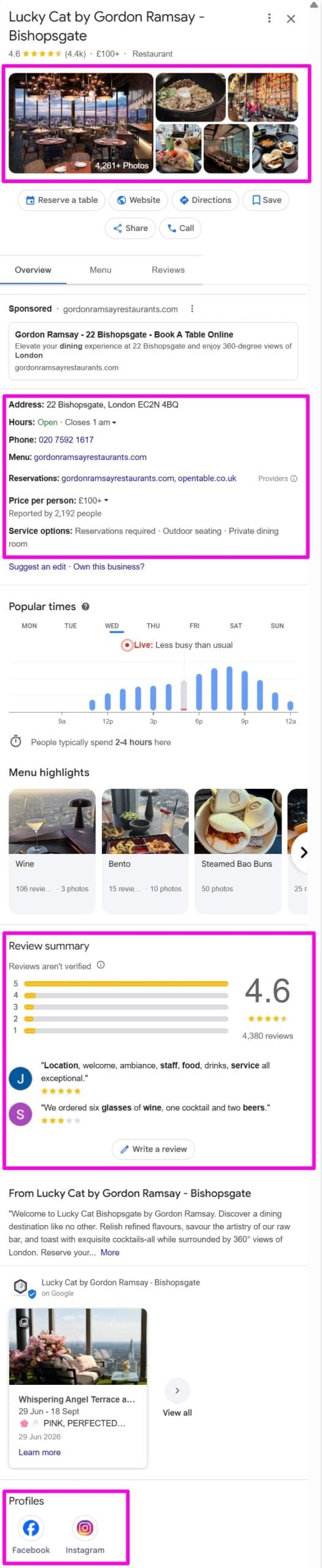
Pro Tip: Make sure that your NAP (Name, Address and Phone Number) data is identical across every single place your restaurant is listed online. This includes your website, social media profiles, Yelp, TripAdvisor, and other online platforms.
Google and AI search platforms process your data like a digital footprint.
That’s why your NAP information must be identical across every place your restaurant is featured online.
Even a small difference like “St” versus “Street” can have an impact.
Double-check that now before moving on.
Upload High-Quality Food Photos & Videos
If you’ve worked in the restaurant industry for more than 5 minutes, you’ll know that people eat with their eyes first.
A high-quality photo or video of your best dishes will do more to convince someone to visit than anything else.
Your Google Business Profile is the first thing a customer sees before they even consider visiting.
Your photos section should make them feel like they’re already there.
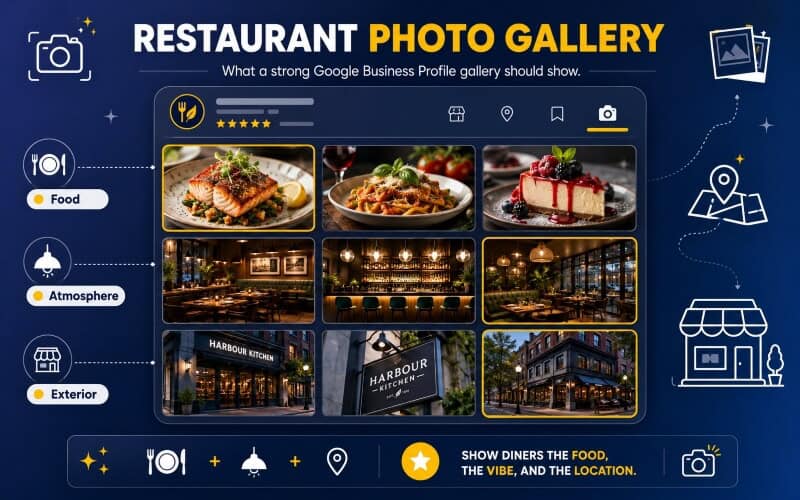
Add photos of your:
- Food
- Restaurant interior
- Exterior
- Servers and Bar staff
- Unique things about your restaurant
Restaurants with photos receive 42% more requests for directions on Google.
So spend time uploading great photos and update your profile with new ones regularly.
As you get more reviews, you’ll find that customers naturally upload photos as well.
The last step is to add some videos.
Get out your smartphone and take some quick videos of your food, team preparing drinks and the general vibe of your restaurant.
These don’t need to be super professional.
They just need to be real.
Adding photos and videos will increase your profile rankings and engagement.
Both will lead to more guests at your restaurant.
Post Regular Updates
Google Business Profile updates are free advertising that most restaurant owners completely ignore.
Think of updates like Google’s version of social media.
Post at least once per week.
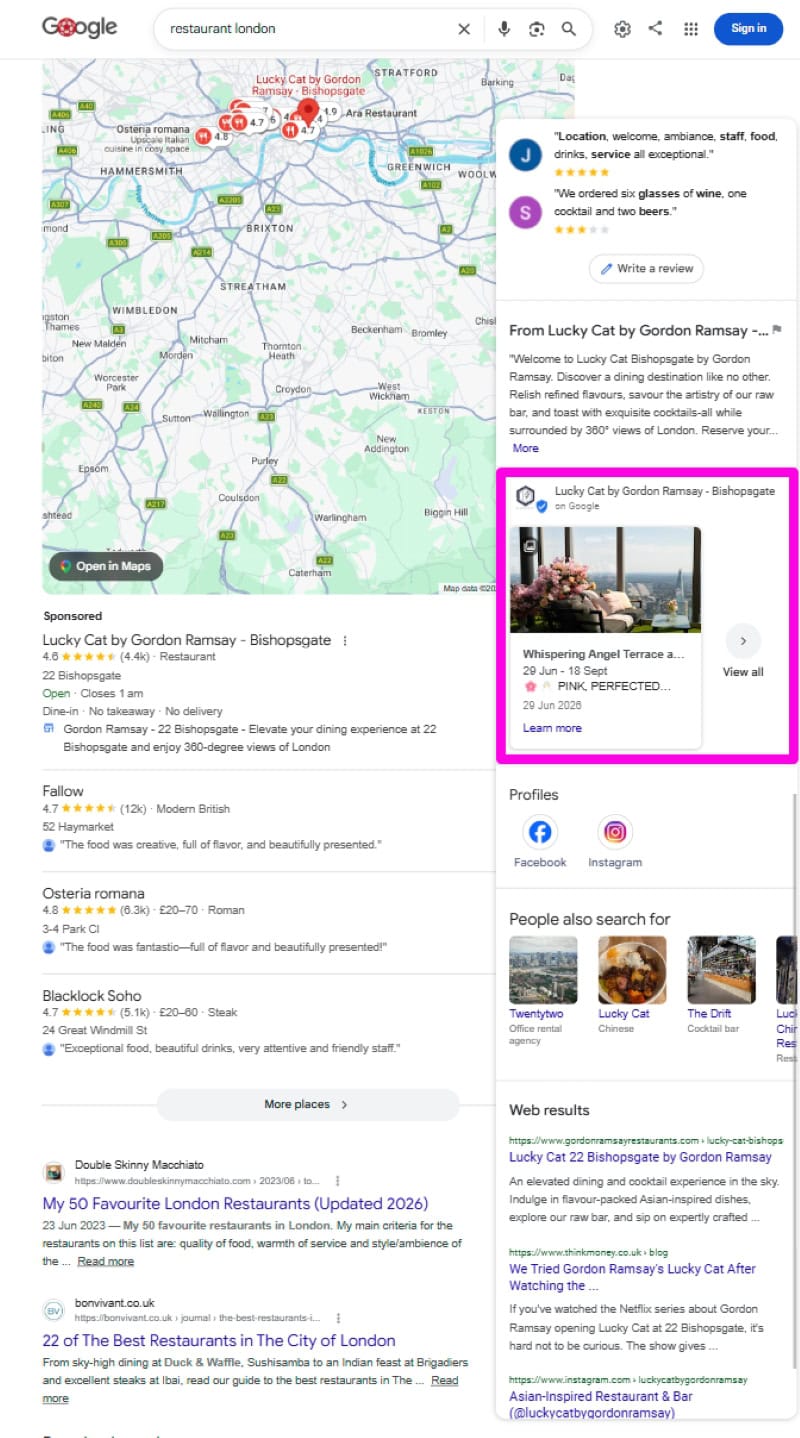
You should share:
- New dishes
- Weekend specials
- Kitchen photos
- New updates
- Customer stories
- Happy hours
- Promos
Anything that will get potential diners’ attention.
But posting updates isn’t like posting on a social media platform like Instagram.
You don’t need a full content strategy.
Once a week is more than enough to show your business is active and help your ranking in the local map pack.
Here’s how smart restaurant owners do it:
Use a tool like RecurPost to schedule three months of posts in one sitting.
You can sit down once a quarter and schedule all the posts. Then, get back to growing your business.
The truth is that most of your competitors won’t bother posting at all. That alone gives you a competitive advantage over other restaurants in your area.
2. Collect Real Customer Reviews Consistently
Reviews are a direct ranking factor for local restaurant SEO.
Makes sense, right?
The only way for Google to truly know if you offer great food and service is through what other people say about your restaurant.
That’s why both Google and AI search tools place such a high importance on reviews. But reviews are also essential for getting customers through your door.
88% of consumers trust online reviews as much as personal recommendations from friends.
The more high-quality reviews you have, the higher you rank in the map pack and the more tables you’ll fill.
Getting reviews is a pain point for pretty much every restaurant owner I speak to.
So let me simplify it for you.
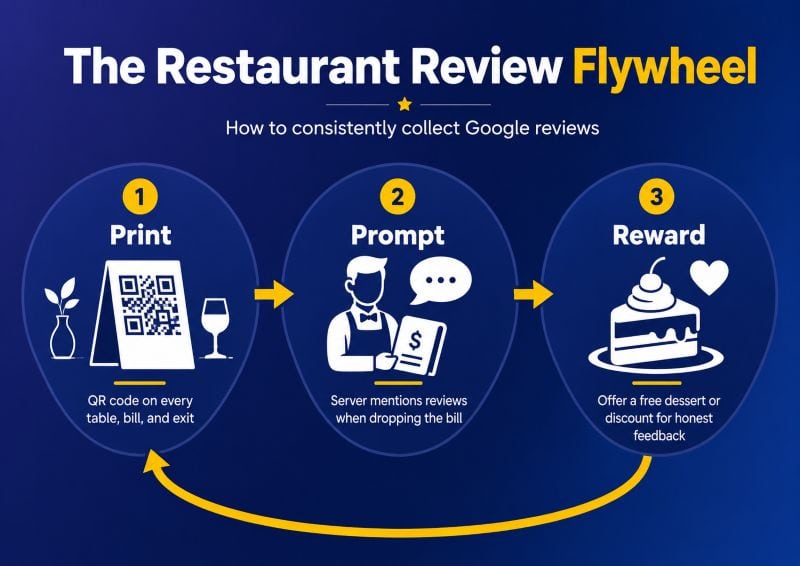
Print a QR code that links directly to your Google review page.
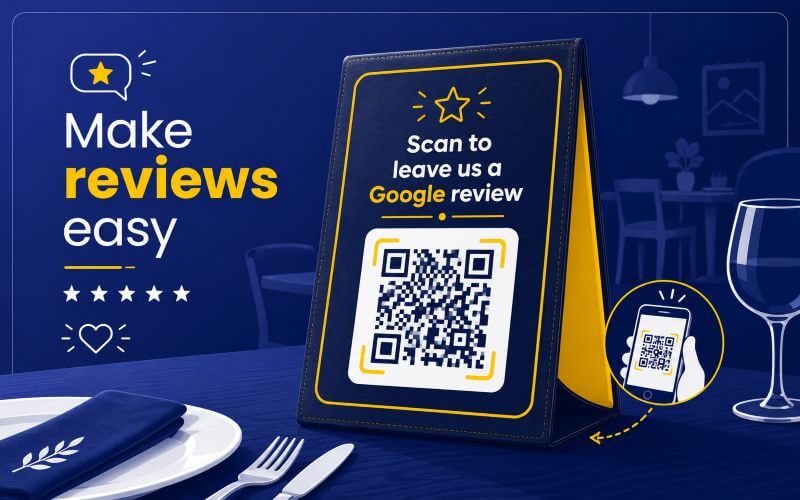
Place them:
- On every table
- On the bill
- Near the entrance/exit
This makes it super easy for customers to scan the QR code and easily leave a review. It’s the easiest and single most effective strategy for restaurants to increase Google reviews.
Here’s the important part…
Ask your serving team to mention the QR code every time they drop off the bill to happy diners.
This might seem small, but it makes a massive difference.
All they have to say is:
If you enjoyed your meal, we’d really appreciate it if you could leave us a review.
Simple as that. This one line is enough to draw attention to the QR code and prompt happy diners to leave a review.
Want to take it up a step further?
Offer something like a discount next time or a voucher for a free dessert if the customer leaves a review. You’ll find most customers are more than happy to take up your offer.
Implement this one strategy, and it won’t take long before you have a huge bank of positive Google reviews.
3. Optimise for Voice Search
Voice search is one of the most overlooked search channels for local restaurants.
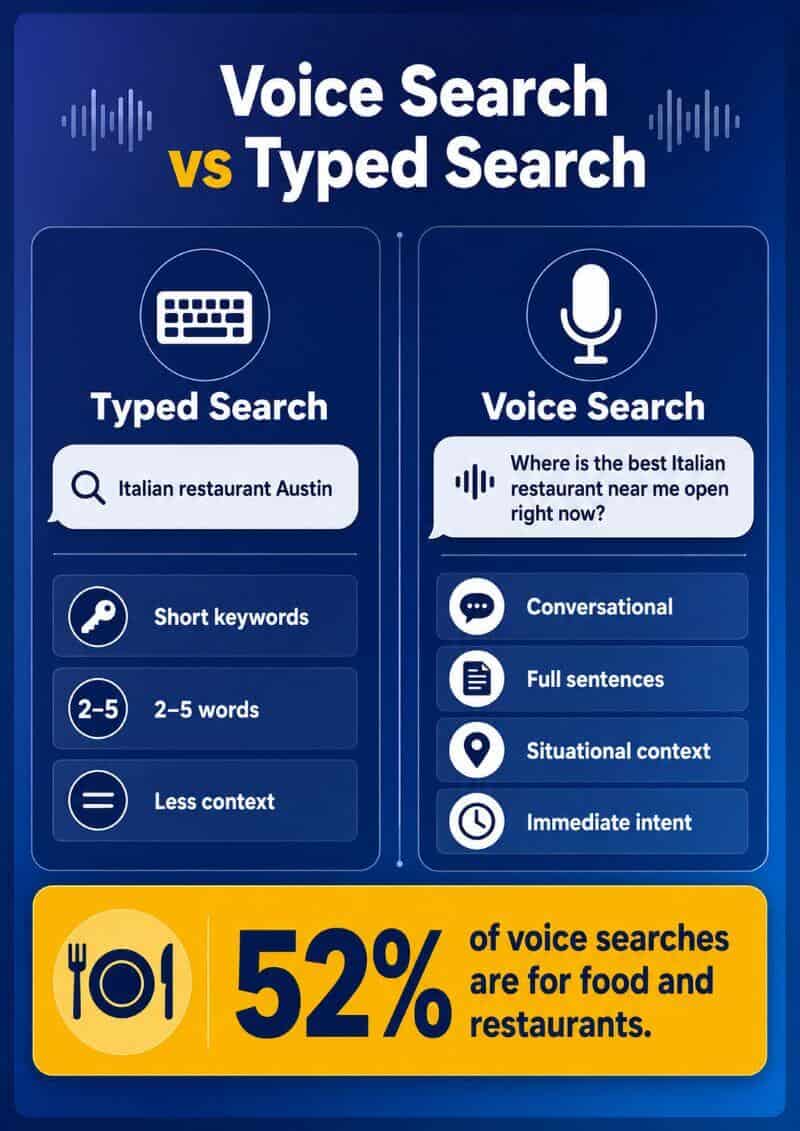
52% of voice searches are specifically related to the food delivery and restaurant sector.
That means more than half of all voice searches are people looking for somewhere to eat.
Crazy, right?
This represents a big opportunity for restaurant owners who are willing to take advantage of this trend.
The goal is simple…
You optimise your website for voice assistants like Siri, Alexa and Google Assistant. When users ask one of these voice assistants for recommendations in their local area, they recommend you.
Who doesn’t want that, right?
Here’s what you need to do:
- Write your website content in a conversational tone
- Create an FAQ page that answers common questions exactly as a customer would ask them out loud
- Make sure your name, address, phone number and opening hours are accurately displayed on each page
- Add FAQPage schema markup so voice assistants and AI tools can pull your answers directly
Here’s the important part:
People speak differently from how they type.
When someone searches on Google they might type “Italian restaurant Austin.” But
when they use a voice assistant, they say “Where is the best Italian restaurant near me open right now?”
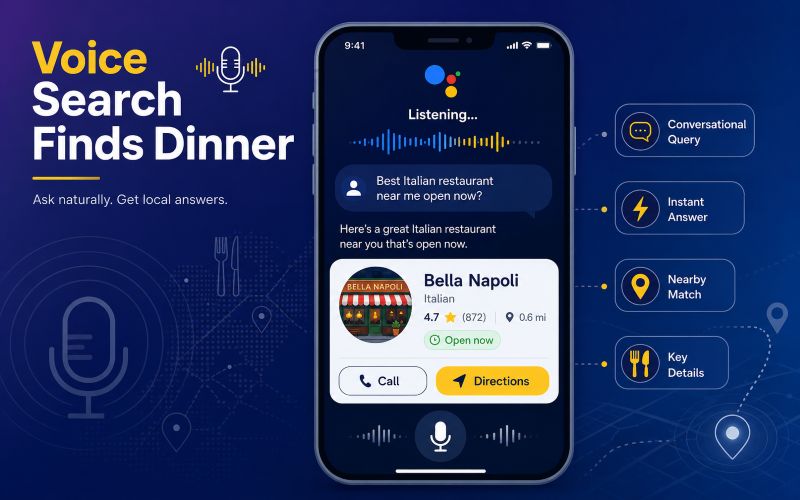
Your content needs to match how your customers talk.
The easiest way to do that is simply to write the way you speak. It should be your voice coming through your restaurant website.
Voice search might be one of the most underrated SEO tactics for restaurants right now. Your site will win searches that your competitors don’t even know exist.

Building High-Quality Backlinks for Restaurants
Now you’ve laid your local SEO foundations.
The next step is to dominate your local area by building backlinks that increase your website’s authority and trust.
A backlink is simply when another website adds a hyperlink from their site to your restaurant’s website.
Why are backlinks important?
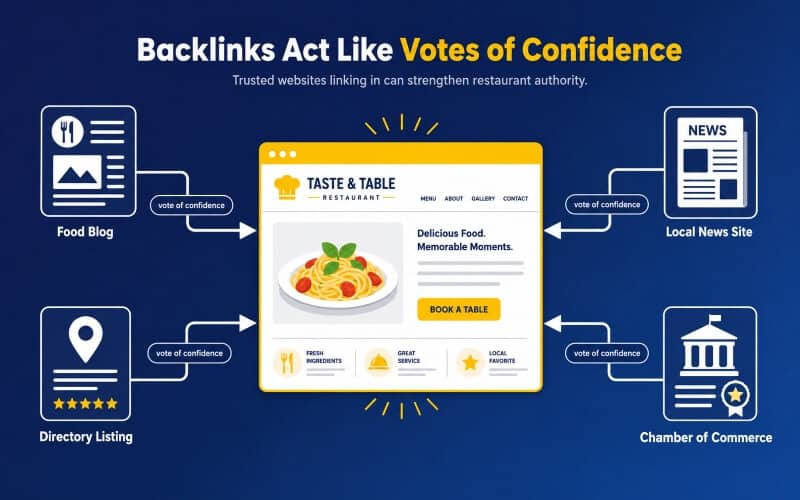
Think of a backlink like a vote of confidence from another website. When a reputable food blog, local news site, local business or directory links to your restaurant website, they’re telling Google “this place is great.”
It’s like someone recommending your restaurant to their friend, except that friend is Google.
The more quality backlinks (votes) you have, the more Google trusts you and the higher you rank.
And it works similarly for AI search tools like ChatGPT, Perplexity and Gemini.
The reason backlinks are so effective is that they’re hard to replicate. Your competitors can’t just go and ask websites to link to them tomorrow.
It’s one essential aspect of SEO that they don’t directly control.
Building backlinks creates a competitive advantage around your restaurant and SEO that isn’t easily taken away.
The more quality links you have, the higher you will rank.
Simple as that.
The key is to build backlinks from trusted sites in your niche and local area. That’s exactly what I am going to show you right now.
Get Listed in Local Directories
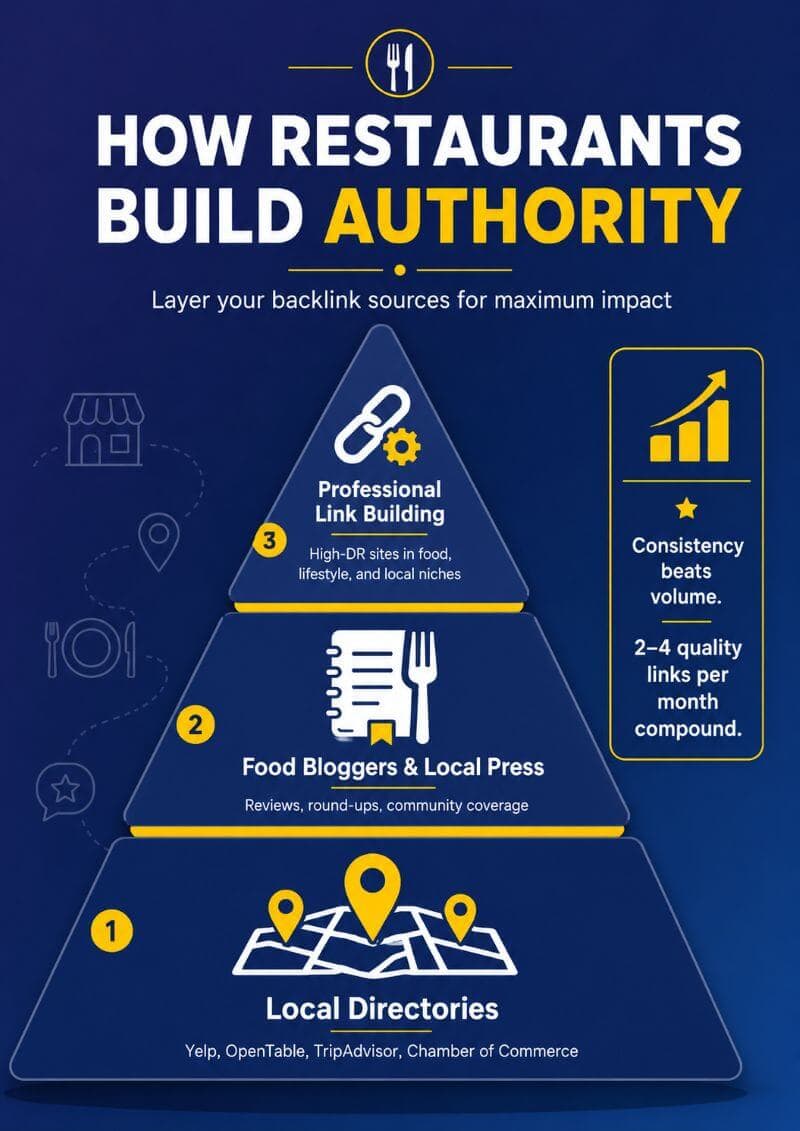
Getting listed in local directories is the fastest and easiest way to start building backlinks for your restaurant.
Directory listings build your local authority, improve your NAP consistency across the web and signal to Google that your restaurant is a legitimate, established business.
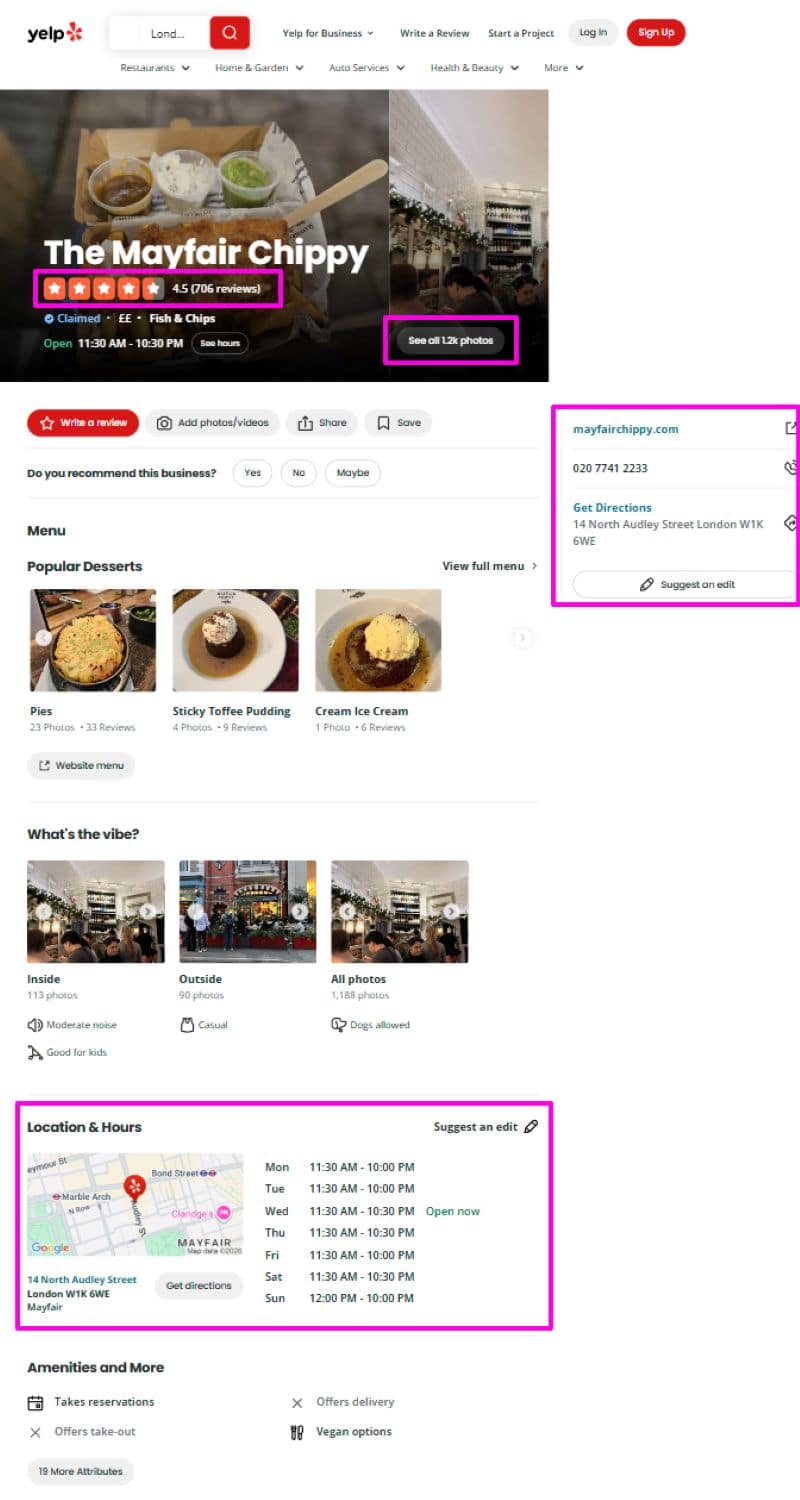
Start with the big ones:
- Yelp
- OpenTable
- Zomato
- TripAdvisor
- Local Chamber of Commerce
- Local city guides and food directories
The most important thing is that your Name, Address and Phone Number are identical across every single listing.
Even a small difference like “Road” versus “Rd” can confuse Google and hurt your local rankings.
It’s essential that Google and AI search tools can easily tie each of these listings back to your restaurant. The easier that is, the more effective these directory profiles will be.
These links won’t move the needle on their own.
But they form the foundation of a healthy, natural backlink profile that every restaurant needs.
The good news is they’re also super easy to build.
In most cases you just need to claim the listing for your restaurant. Go and do that now.
Pro Tip: Make sure that you’ve claimed all your social media profiles and added a link. Think Facebook, Instagram, X, TikTok and more. Google expects to see your business on these platforms. You don’t necessarily need to post on them, but you should claim the profile.
Partner with Food Bloggers
Food bloggers are like the bread and butter of backlinks for local restaurants.
A local food blogger already has an audience of people in your area who trust their recommendations. And so does Google.
When they write about your restaurant and link back to your website, Google sees that as a high-quality, relevant backlink.
That kind of link carries a lot of weight in the eyes of Google.
The best part?
You’re also getting recommended to potential customers.
Think about it…
The food blogger has local readers who trust their brand.
When they write a review of your restaurant, you are likely to get new customers from it as well.
You get a backlink and real visibility in front of your target audience. That’s why I love this link building strategy for restaurants so much.
Here’s how to make it happen:
The first step is to identify the top food bloggers and local influencers in your area.
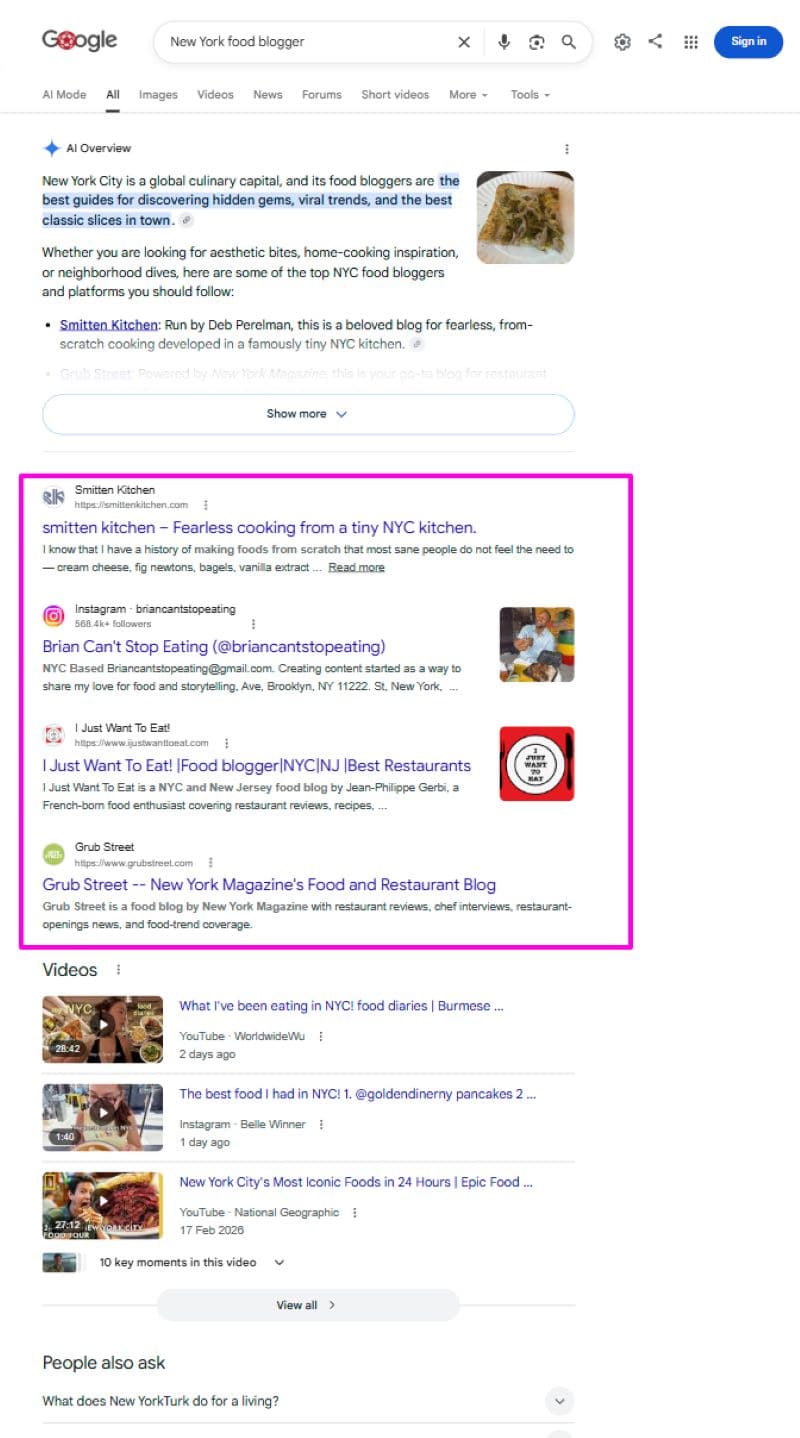
Head over to Google and type in the following search queries:
- best restaurants in [city] blog
- [city] food blogger
- Food [city]
- Restaurants [city]
You’re looking for sites that have covered other restaurants or done round-ups of restaurants in your area.
These will be your targets.
Compile a list of potential websites.
Next, reach out to them with a personalised email inviting them to your restaurant.
The most effective way to get their attention is to offer a complimentary meal in exchange for an honest review.
Most bloggers are happy to accept.
Some bloggers with larger followings may also request a fee. You’ll need to decide if it’s worth it for your business.
Remember:
Your goal is backlinks here.
So don’t be too concerned about the size of their social media following or anything like that.
A backlink from their website will still be benefiting your SEO 12+ months from now.
Done correctly, food blogger outreach is one of the most cost-effective link building strategies available to any local restaurant.
And you don’t need hundreds. Just one to two new food blogger reviews a month can have a dramatic impact on your SEO.
Hire A Professional Link Building Service
Here’s the truth about link building:
It’s one of the most effective SEO strategies, but it’s also one of the most time-consuming. The key is building quality backlinks consistently.
That’s why so many restaurants and even SEO agencies choose to outsource link building.
That’s exactly where LinksThatRank comes in.

We specialise in building high-quality backlinks for local restaurants.
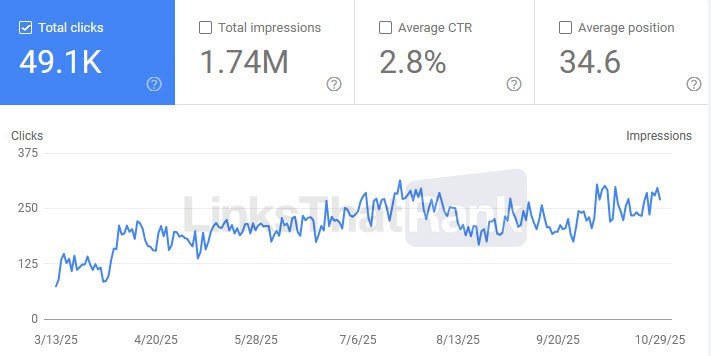
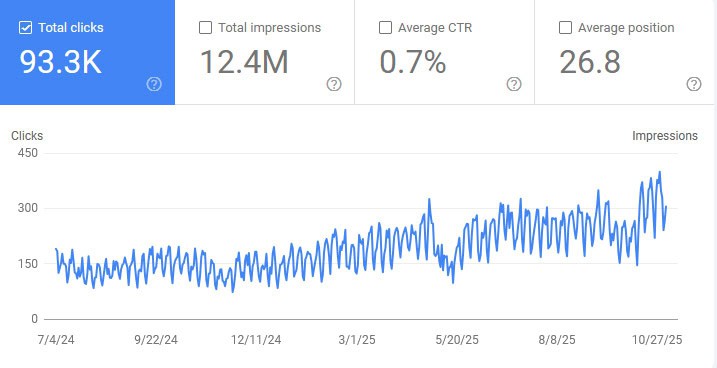
Every single link passes our strict 23-point quality control process. That means each link we build for you will help boost your rankings in both Google search and AI search platforms.
Our quality control process allows us to deliver results like this:
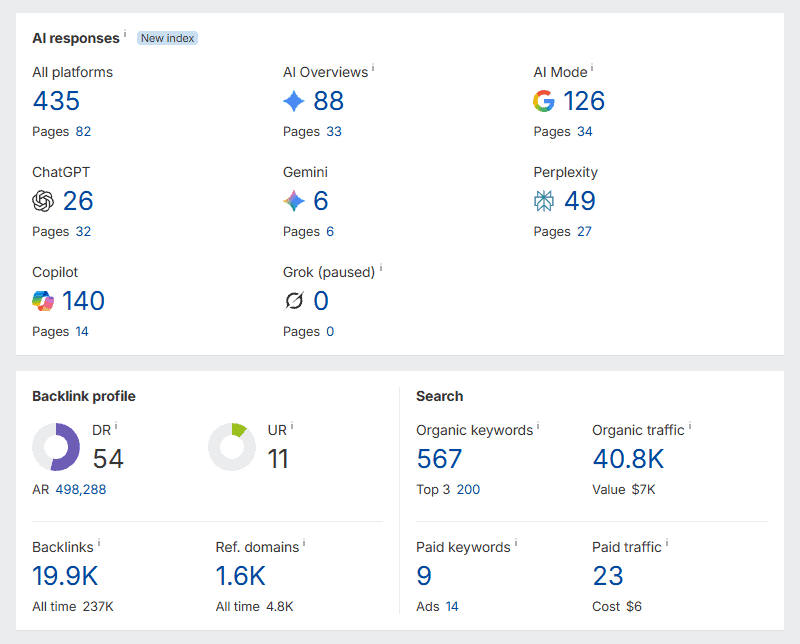
And this:
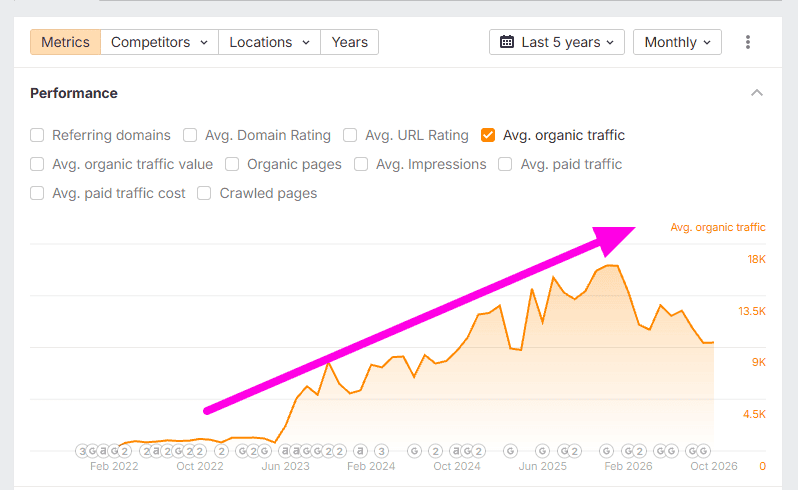
You don’t need a lot of links to see results.
Even 2 to 4 quality backlinks per month will compound over time and push your restaurant up in rankings consistently.

That means more online visibility, more reservations and more filled tables. All you have to do is choose the links you need and our team takes care of the rest.

Recommended Tool Stack for Restaurant SEO
Restaurants don’t need a lot of tools to improve SEO.
But there are a few free and paid ones you should consider.

Paid Tools:
-
- Semrush – Keyword research, analyse competitors and audit your own website for technical SEO issues.
-
- BrightLocal – Track local rankings, manage your Google Business Profile and see your AI visibility.
Free Tools:
-
- Google Business Profile – The most important free tool for all local restaurants.
-
- Google Search Console – Track your website SEO performance in Google.
-
- Google Analytics 4 – Track your website traffic growth each month.
-
- Backlink Blacklist – Make sure you’re only building safe, quality backlinks.
The most important thing is that you track your results.
Executing this strategy means you should start to see an increase in authority, rankings, and organic traffic.
That’s how you know it’s working.

Wrapping It Up
Restaurant SEO is one of the most powerful marketing channels to increase reservations and fill more tables.
It allows you to grow your business without relying on paid ads or third-party delivery apps.
Start by optimising your Google Business Profile and collecting reviews consistently.
This will give your SEO an almost immediate boost.
Most importantly, build quality backlinks to your website each month.
Backlinks are a competitive advantage that can’t easily be replicated. This will build a moat around your SEO and business.
Implementing these two SEO strategies will position your website to dominate the local search results in Google and get more recommendations in AI search tools.
Want to accelerate your SEO growth with proven link building?
Let our team at LinksThatRank build them for you.

There are no minimums, no lock-in contracts, just quality backlinks delivered consistently.
- Guest Posts – High-quality AI search-ready
- Link Building Packages – Discounted monthly bundles
- Link Inserts – Niche-relevant editorial placements
- Agency Program – Discounted white label services
Choose the links you need, we’ll do the rest!
Frequently Asked Questions
How long does restaurant SEO take to show results?
Restaurant SEO typically takes 3 to 6 months to show meaningful results. Optimising your Google Business Profile can show improvements within just 6-12 weeks. Building backlinks and ranking for competitive local keywords takes longer but delivers a strong ROI long-term for your business. That’s why both are important.
How much should a restaurant spend on SEO?
Most local restaurants spend between $500 and $2,500 per month on SEO depending on the restaurant’s size and how competitive their local market is. The average restaurant tends to spend between $750 to $1,500 per location, with larger restaurants in competitive markets spending $2,500+. As a good general rule, your SEO investment should typically represent about 3% to 6% of your restaurant’s monthly revenue.
Should I focus on my website or Google Business Profile first?
Focus on your Google Business Profile first. It is free, takes just 30-60 minutes to optimise correctly and can have an almost immediate impact on your local visibility. Once your Google Business Profile is fully optimised, turn your attention to your website and building quality backlinks each month.
Do backlinks matter for local restaurant SEO?
Yes, backlinks are one of the most important ranking factors for local restaurant SEO. They prove to Google and AI search tools like ChatGPT and Perplexity that your restaurant is legitimate and reputable in your local community. High-quality backlinks help increase your brand authority, improve visibility and increase your chances of ranking in the local map pack.